Do you ever get goosebumps when you encounter someone who is fully operating in their gift? I feel that way every single time I smell a Marissa Zappas perfume. There is a spirituality to them that’s hard to articulate if you haven’t smelled one.
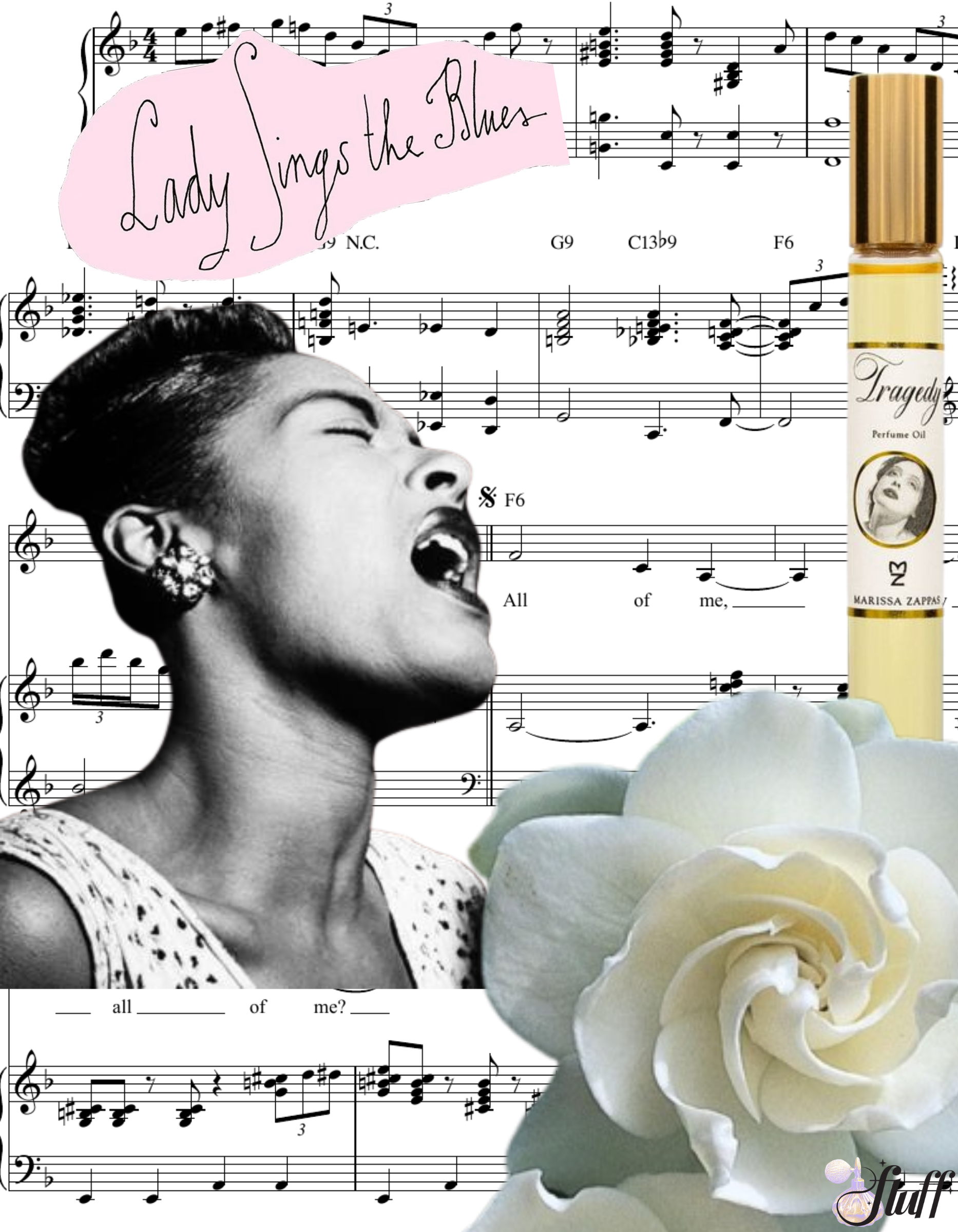
The first time I rolled Marissa Zappas’ Tragedy perfume oil on the fluff tattoo on my wrist, I wanted to moan. I probably did.
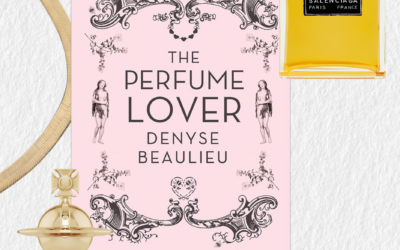
The fragrance oil’s notes are tuberose, orange flower, fir balsam, sandalwood, and oakmoss. Zappas made the oil with her friend and performance artist Ruby McCollister. It perfectly captures what fluff, both the sentiment and this blog, mean to me.
Zappas is as equally a beautiful writer as she is a perfumer. She describes the scent as “designed to evoke the feeling of being alone in a haunted theater, waiting to see the ghost of your favorite tragic icon… the phantasma of theater itself. And with this perfume comes a prayer, a message, a wish: Providence for the tragic girls.”
Fluff was inspired by my own tragic icons: infamous beauty writer Cat Marnell, singer Billie Holiday, and at times, well, me.
Marnell was a drug addict. She brought a level of vulnerability to her writing that I think about often. If I could recommend her work to someone who hasn’t read her before, I’d start with On the Death of Whitney Houston: Why I Won’t Shut Up About My Drug Use. I found it archived here. Then I’d read her words on Marilyn Monroe’s beauty routine.
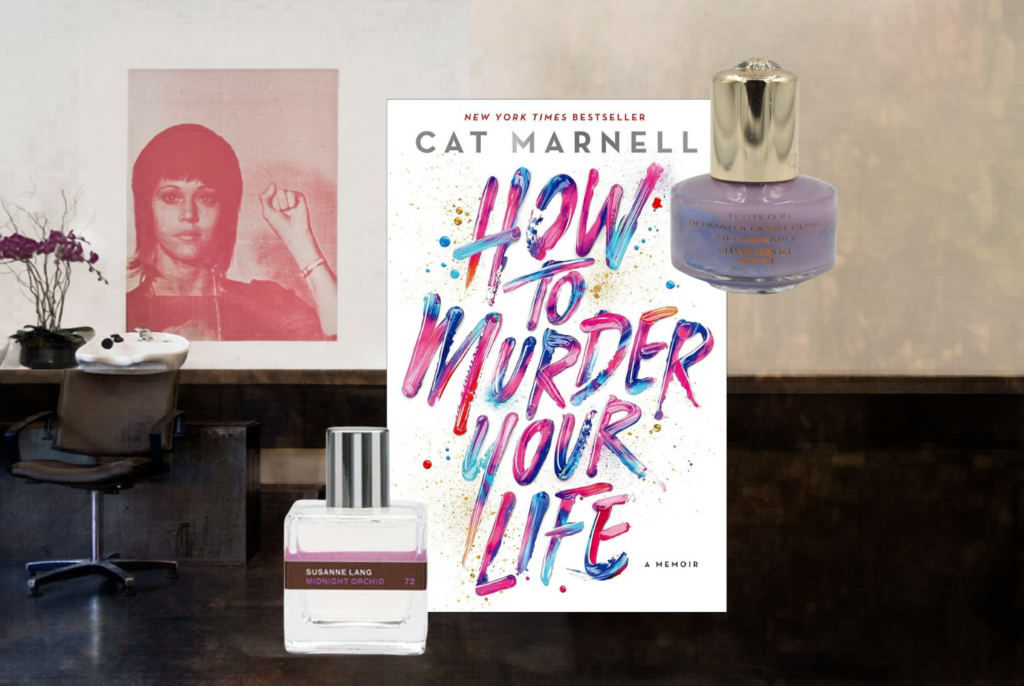
I’d just read Marnell’s highly-anticipated memoir. The one she was paid a six-figure advance to write called How to Murder Your Life. Marnell was infamous online back then. She worked under beauty director Jean Godfrey-June at Lucky magazine, but when two failed attempts at rehabilitating her drug addiction didn’t work, she left Conde Nast. She joined xoJane.com, the confessional writing-based website founded by Jane Pratt, the woman who founded Jane and Sassy magazines. Marnell could be herself there, writing very, um, unceremoniously, about her relationship with drugs.
Marnell’s book is exactly what you would expect from someone constantly rewarded and given grace despite the obvious, but I was very stuck on the status markers on the pages. For instance, on page 3 of the introduction, Marnell writes:
“So now I was a beauty editor. In some ways, I looked the part of Condé Nast hotshot — or at least I tried to. I wore fab Dior slab bracelets and yellow plastic Marni dresses, and I carried a three-thousand-dollar black patent leather Lanvin tote that Jean [Godrey-June] had plunked down on my desk one afternoon. (‘This is… too shiny for me,’ she’d explained) My highlights were by Marie Robinson at Sally Hershberger Salon in the Meatpacking District; I had a chic lavender pedicure — Versace Heat Nail Lacquer V2008 — and I smelled obscure and expensive, like Susanne Lang Midnight Orchid and Colette Black Musk Oil.”
If you are a scholar of pop culture and fashion magazines like I am, then you understand what Marnell is saying. These aren’t just references. This, for the time, is the best of the best. Her book is full of moments like this. And because I love beauty, and engaging my senses, I ate it up.
Directly after reading How to Murder Your Life, I read Billie Holiday’s autobiography Lady Sings the Blues. I was struck by how earnest Holiday was in her pursuit to live glamorously. She was so funny and astute but also very clearly wanting fluff. She too, wanted the best of the best. Her path to getting it was vastly different. And she needed it for vastly different reasons as there was and is a form of protection in glamour.
“My father had started calling me Bill because I was such a young tomboy,” she wrote. “I didn’t mind that but I wanted to be pretty, too, and have a pretty name. So I decided Billie was it and made it stick.”
Or when she wrote “it wasn’t long before I had money to buy a few things I’d always wanted — my first honest-to-God silk dress and a pair of spike-heeled ten-dollar patent-leather pumps.” She later described her first purchase with the money she made from singing in a night club, “I got me a pair of fancy drawers with little rhinestones on them.”
✦
Billie was a girl after my own heart. But this was 2017 and I didn’t have the language yet for this kind of frivolity in the midst or rather in spite of experiencing a difficult season. In my own life, I was living in New York, in a tiny studio apartment because I knew I would be able to easily make the rent.
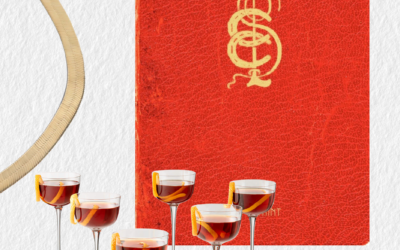
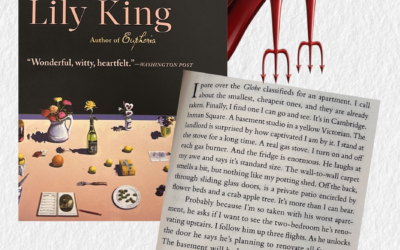
I had been laid off twice, was freelancing, and temping, and even worked as a social media manager to get by, but I still made sure to find some what I came to recognize as fluff. I had just read Stephanie Danler’s novel Sweetbitter, and took great pride in making the cheapest meals I could taste decadent. Wine and cocktails, too.
When I left Refinery29, I bought my first herringbone chain necklace. It might have been silly to buy jewelry when I didn’t have a job but if you remember that story I wrote about gold jewelry going viral, then you know it was the perfect way to close out that chapter.
Actually, I can’t remember a time when I wasn’t in some kind-of despair, sometimes real, sometimes brought on by my own dramatics and delusions, when I didn’t want some kind of frivolousness. Can you tell I’m a Taurus Moon? I came by this honestly.
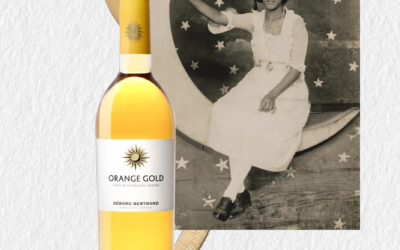
My maternal grandparents lived well, ate well, and dressed even better. You can say that doubly about my maternal great-grandmother Marzella who was born in 1912. She had a big round bed and a long dresser topped with costume jewelry. A personal seamstress who made all of her clothing. Every year put up a silver Christmas tree that matched her all-silver Christmas outfit.
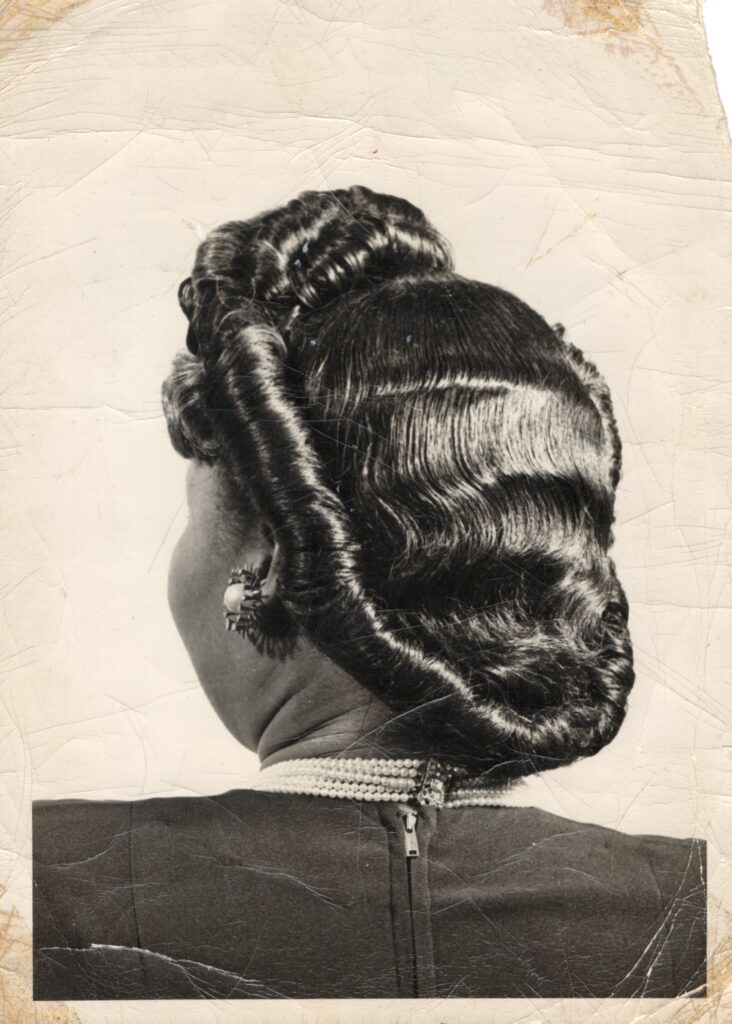
She was a February Aquarius too (like me), so she was ahead of her time.
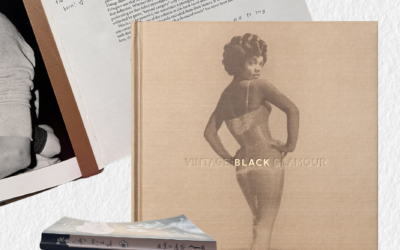
According to my iPhone’s photo library, inside the album named ‘Fluff,’ I didn’t come to have a term for this kind of behavior until I read my mother’s copy of Nichelle Gainer’s book, Vintage Black Glamour. The first time my eyes grazed over the quote below from actress Rosalind Cash, everything snapped into place.
“There are a lot of us who would like to assimilate all the glamour and fluff, but the hard truth is, we’re all out here trying to make a living,” Cash said.
Fluff.
It stuck with me. So much so I tattooed the word on the inside of my right wrist at the end of summer 2019. Fluff is what I was actively adding to my life while of trying to make a living.
And so here we are. I’m going back to my roots. If you remember my personal style blog, Channing in the City, or my shopping newsletter SZN 2, you can expect something of the same here. Each post will be a blend of storytelling, history, style, and beauty.
Fluff is my promise to myself not to get so caught up in trying to make a living that I forget to sprinkle in glamour. I will engage my senses, my curiosities, and work on showing, not telling, in my writing. This space will become alive.
Marissa Zappas was right. Her Tragedy oil is “an ode to the ghosts of Old Hollywood, sensorially acknowledging how tragic actresses have influenced the lives of contemporary women,” and every swipe of that perfumed oil is a reminder of how so often for Black women, our beauty and glamour are linked to our survival.
My gifts have always made room for me. This (website) is a space I would like to see filled with the works of my own hands.
This is my own providence, an altar, if you will, a prayer for fluff.
Thank you for joining me.